Get the book at Amazon: https://www.amazon.co.uk/Digital-Transformation-Through-Cloud-Computing-ebook/dp/B0851LJLYN/
Goodreads reviews: https://www.goodreads.com/book/show/52669803-digital-transformation-through-cloud-computing
Book Overview on Google: https://books.google.co.uk/books/about/Digital_Transformation_Through_Cloud_Com.html?id=9GhbzQEACAAJ&source=kp_book_description&redir_esc=y
Majority of the organisations are expected to roll out digital transformation strategies within the next few years. However, the digital transformation of businesses is still relatively immature and too many organisations are only just scratching the surface. The perception of digital business transformation is incomplete without the knowledge of the cloud. This book is an attempt to make the organisation intelligent by providing the path to digital transformation with the adoption of Cloud Computing and managing it effectively with Smart Cloud Service Management and Next-Generation Cloud Governance Framework.
Most of the language in this book is straight-forward and non-technical, so it is easy for anyone from any background to read. Reflective questions are added at the end of each chapter for use in classroom discussions or brainstorming sessions. The book is divided into five parts.
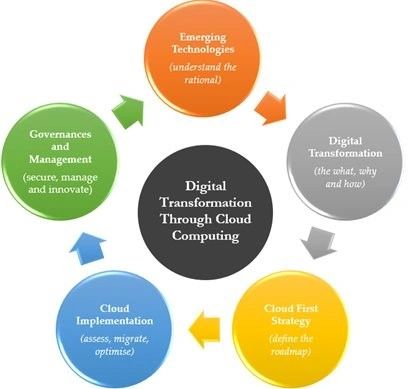
Part one introduces the emerging technologies and how it is impacting the business models with explanations of technology predictions so that we may know how the future will look like and why we would need to transform.
Part two focuses on disruptive technology-forcing digital Darwinism. It also explains the benefits, principles, and how to enable digital transformation with tips on creating a sustainable digital strategy.
Part three introduces Cloud Computing with its service models, deployment models, cloud ecosystems and cloud architecture. It also explains the cloud adoption framework, the stages of cloud transformation, cloud assessment and migration methodologies. Cloud Service providers, Management Cloud Service Providers, are also introduced in this part.
Part four provides a cloud transformation operating model understanding with the details of the target operating model development framework and how-to set-up a cloud centre of excellence.
Part five – the last chapter brings the smart cloud service management topics, which is necessary to ensure what you have implemented can create business values. It covers detailed explanations on how IT service management processes should be optimised or harmonised for managing the services in the cloud. It also includes how the ITIL4 can be best utilised for managing cloud services, how IT4IT value chains fit better for managing cloud services etc. This part has valuable information on organisational learning and development for espousing these new models. It has lots of essential guidance on cloud governance framework, policy framework and data management essentials. It covers cognitive service management and digital service management understanding and an overview of DevOps adoption, focusing on streamlining cloud service management and governance.
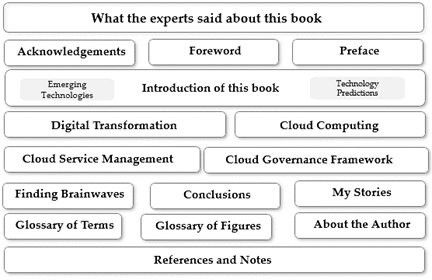
Towards the end of this book, you will find some inspirational quotes on digital transformation from industry leaders because I believe market predictions and these inspirational saying will make a substantial physiological impact on behavioural changes, which is a must for this shifting. I also added stories of my industry experiences for the curious ones.